Instantly calculate the statutory minimum notice period under UK employment law. Enter a start date or years of service and get the notice weeks, calendar days, and estimated last working day.
Tap a card to read the detail.
14-day free trial · No credit card needed
This calculator tells you the statutory minimum. TimeTally tracks hours, leave, and absences for your whole team automatically — so every manager has the full picture when notice is given. From £3/employee/month.
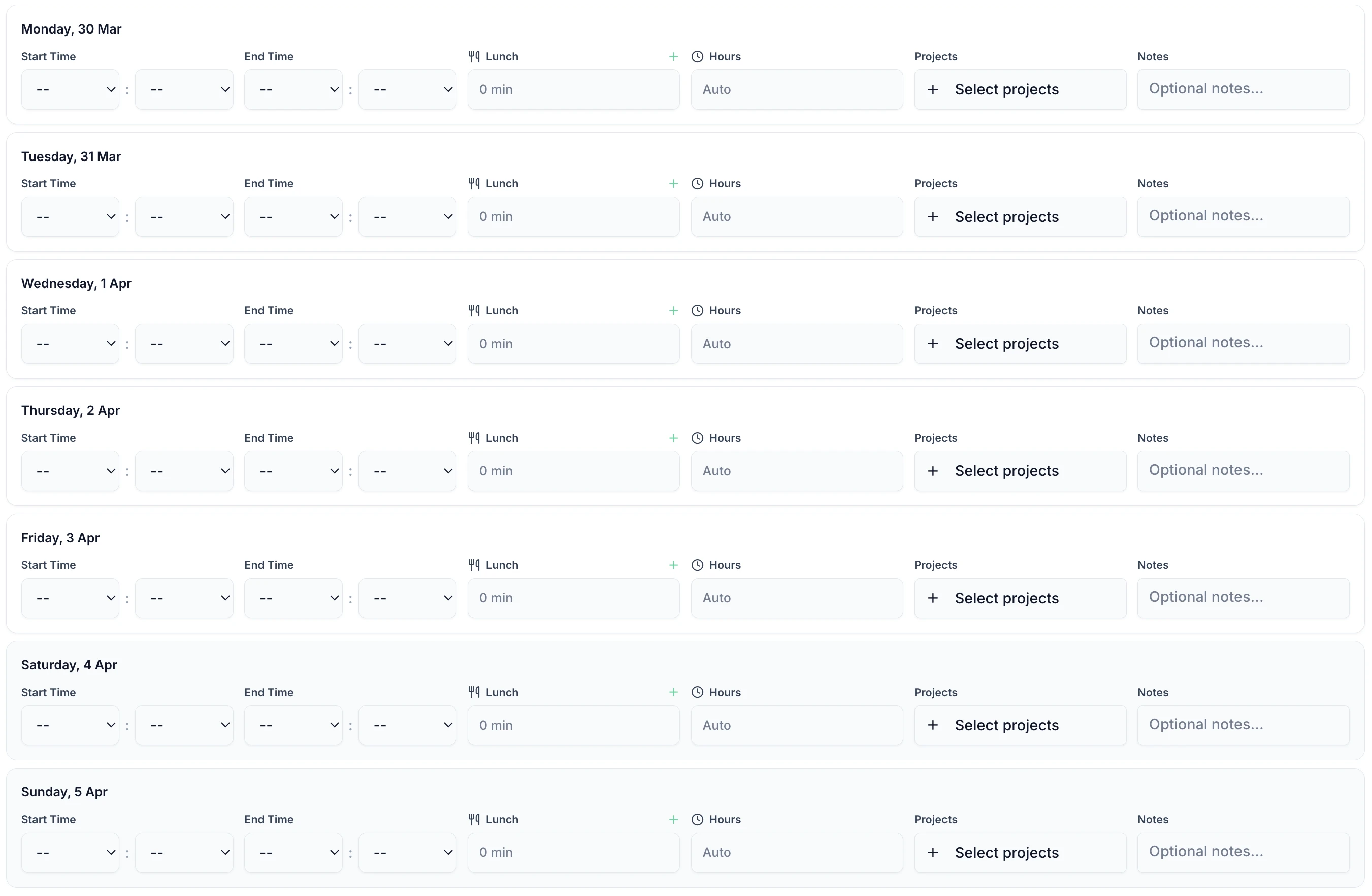
Staff submit timesheets via the iOS app or web. Hours, absences, and leave balances are tracked in real time — no paper forms, no manual entry, no chasing.
Employees request leave via the app. Managers approve or decline in one tap, from anywhere. Every decision is timestamped — full audit trail, no email chains.
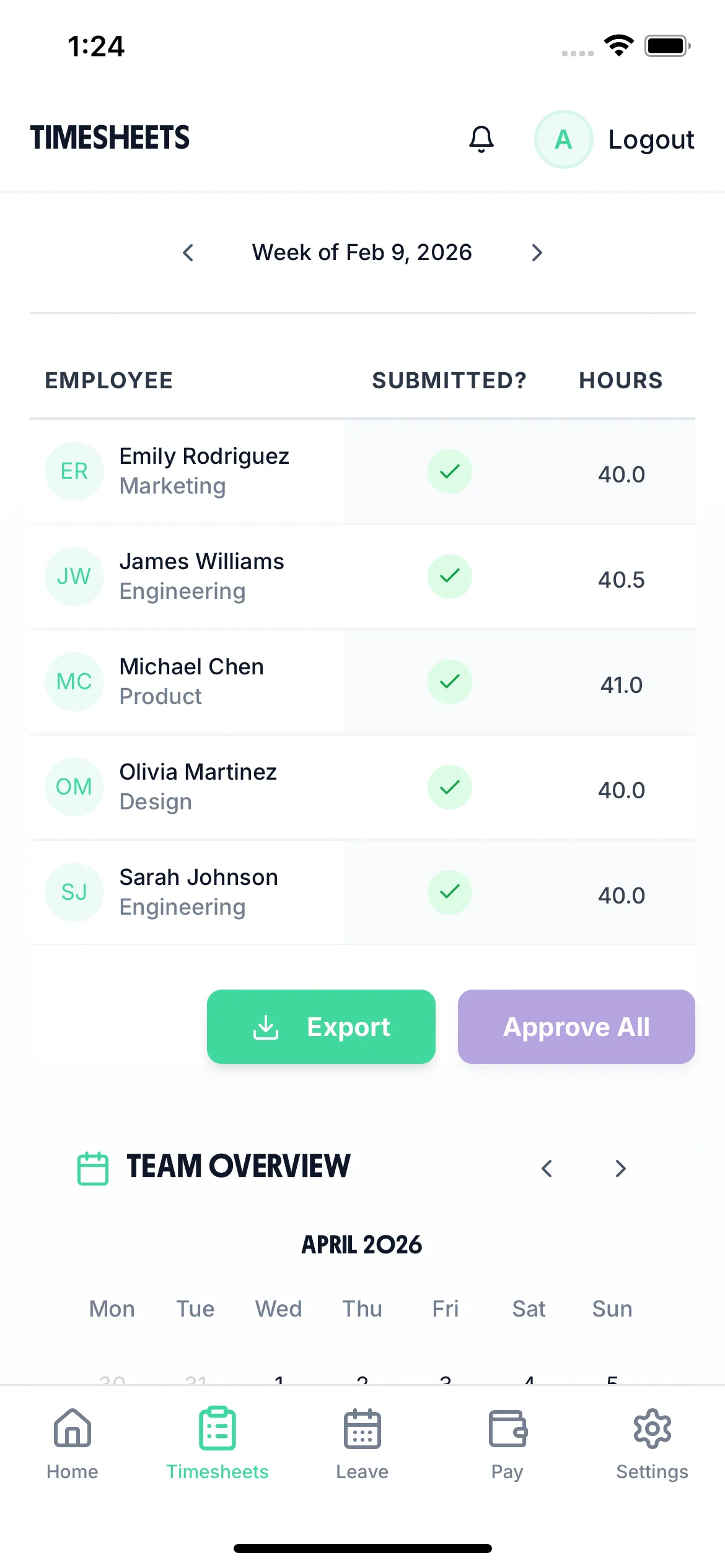
TimeTally handles time tracking, leave, and absence tracking automatically — from £3/employee/month.
“TimeTally has been excellent for our business. The app is simple to use, reliable, and makes managing holidays, absences, and staff records straightforward. The system has saved us a significant amount of administration time and gives both managers and employees clear visibility of leave balances and requests. Highly recommended for any business looking for an easy-to-use workforce management solution.”
 Jordan Ingoe, CLI Manchester
Notice period law has more nuance than most people realise — here's what you need to get right.
Section 86 of the Employment Rights Act 1996 sets the statutory minimum notice an employer must give: one week after one month's continuous service, then one additional week per complete year of service, up to a maximum of 12 weeks for employees with 12 or more years' service. Employees must give a minimum of one week's notice after one month's service — and unlike the employer's obligation, this does not increase with length of service unless the contract provides for it. Contracts cannot reduce notice below the statutory minimum on either side.
Employment contracts commonly specify longer notice periods than the statutory minimum — for example, one month or three months. Where contractual notice exceeds the statutory minimum, the contractual period applies. Where a contract provides for less than the statutory minimum, the statute overrides and the minimum applies regardless. Employees must give at least the contractual notice period specified in their contract, or the statutory minimum of one week if the contract is silent — whichever is greater.
Payment in lieu of notice (PILON) allows an employer to terminate employment immediately and pay the employee their salary (and other contractual entitlements) for the notice period, rather than requiring them to work it. Since 6 April 2018, all PILON — whether contractual or not — is subject to income tax and National Insurance in full via the post-employment notice pay (PENP) calculation. Previously, non-contractual PILON could benefit from partial tax exemption; that treatment no longer applies. Errors in PILON tax treatment are a common payroll compliance risk.
Garden leave is a contractual arrangement under which an employee serves their notice period at home, remaining on the payroll and entitled to all contractual benefits, but prohibited from attending the workplace or engaging with clients, competitors, or colleagues. It is most commonly used for senior employees, client-facing roles, or those with access to sensitive commercial information. A garden leave clause must be expressly included in the employment contract — it cannot be imposed unilaterally. During garden leave, annual leave continues to accrue and the employer can direct when leave is taken.
The statutory minimum notice of one week applies from the first day of the second month of employment — including during a probation period. Contracts often specify a mutual one-week notice period during probation, which aligns with the statutory minimum for a first-year employee. Once the main contract notice period kicks in (on confirmation or at the end of the stated probation), higher contractual notice applies. Employers who dismiss without any notice during probation are still exposed to a wrongful dismissal claim for one week's pay.
Annual leave continues to accrue during a notice period. An employer can require an employee to take annual leave during their notice period by giving notice of at least twice the length of the leave to be taken — so to require 5 days of leave, at least 10 days' advance notice must be given. Any accrued but untaken leave remaining at the end of the notice period must be paid out as part of the final settlement. Leave taken during a period of garden leave counts against the employee's annual entitlement.
Summary dismissal — termination without notice or PILON — is only lawful where the employee has committed an act of gross misconduct that fundamentally breaches the employment contract. Common examples include theft, violence, serious harassment, and gross negligence. Even where gross misconduct is suspected, the employer must carry out a fair investigation and follow a proper disciplinary process before dismissing without notice. A summary dismissal without due process will likely be both wrongful (no notice) and unfair (procedurally flawed), even if the underlying conduct was serious.
An employee being made redundant is entitled to their full contractual or statutory notice period — whichever is longer. They can be required to work that notice or receive PILON. Statutory redundancy pay and notice pay are two separate entitlements and can be received simultaneously — receiving one does not reduce the other. An employee with 10 years' service is therefore entitled to 10 weeks' statutory minimum notice (or longer if contractual) in addition to their statutory redundancy payment. Failure to give notice in a redundancy situation is wrongful dismissal, regardless of the redundancy process itself.
Swipe to see more →
Everything you need to know about notice periods in the UK. For related topics, try our redundancy pay calculator or working hours calculator.
Still have a question? See all FAQs →
Calculate statutory redundancy pay based on age and service length
Check National Minimum Wage rates for your age group
Track and calculate weekly working hours and overtime
Work out time and a half and double time rates for UK employees
Calculate annual leave for full-time and part-time workers
Track employee hours, leave, and absences automatically
Accrued holiday to the leaving date, final timesheets and the handover rota are all worked out from records you already have.