A free PDF sick leave policy compliant with UK SSP regulations — covering eligibility, notification procedures, and payment calculations. Ready to customise for your business.
 TimeTally Software
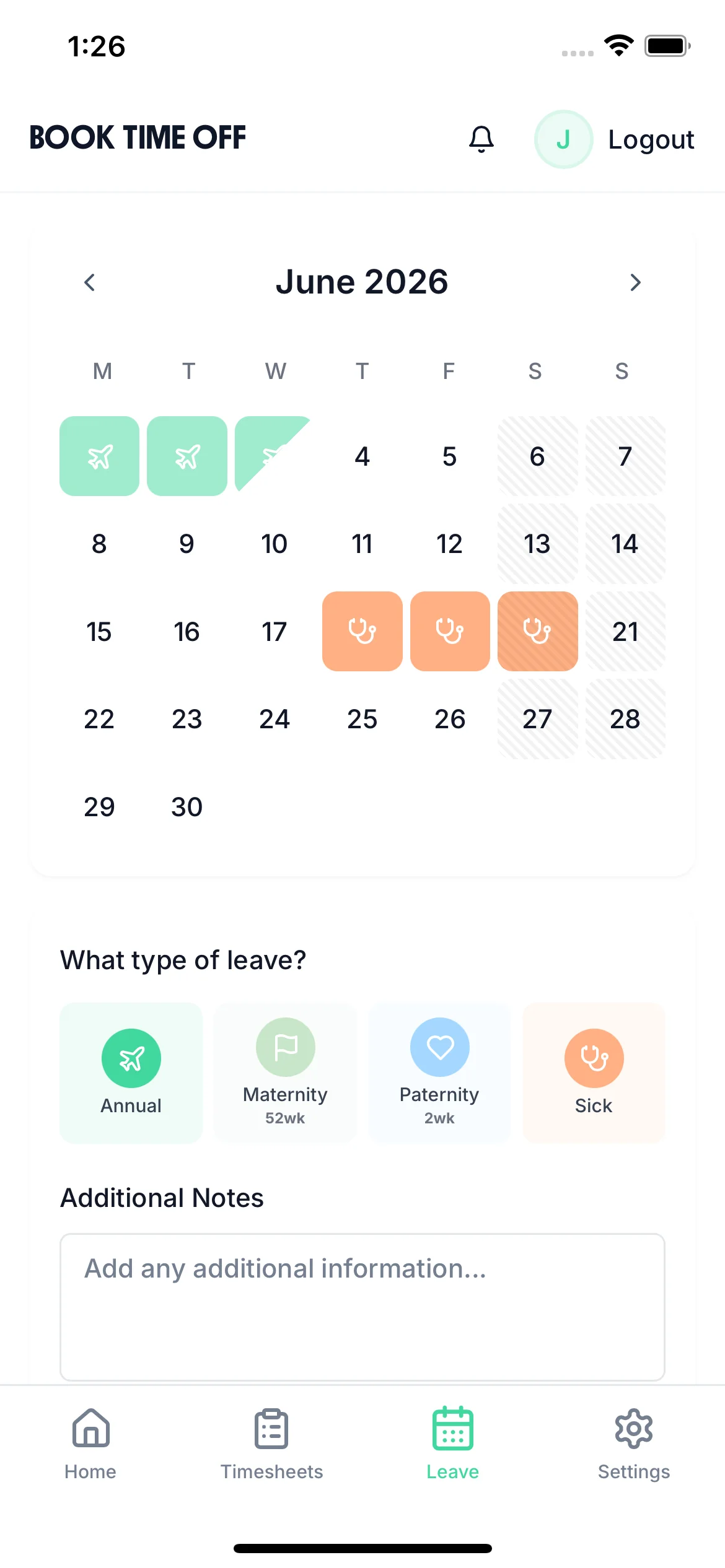
Employees log sick days in seconds. TimeTally records it, calculates SSP eligibility, and flags absence patterns — so you always have the data you need.
Tap a card to read the detail.
14-day free trial · No credit card needed
Every UK employer has a legal obligation to pay Statutory Sick Pay (SSP) to eligible employees. The rules are set out in the Social Security Contributions and Benefits Act 1992 and the Statutory Sick Pay (General) Regulations 1982. HMRC administers the scheme, and employers are responsible for paying SSP through their normal payroll.
For the 2025/26 tax year, the weekly SSP rate is £118.75. To qualify, an employee must earn at least the Lower Earnings Limit (£123 per week on average) and be off sick for 4 or more consecutive days, including weekends and bank holidays. The first 3 qualifying days are unpaid — these are known as “waiting days.” SSP is then payable for up to 28 weeks.
Employers do not need to pay SSP for the first 3 qualifying days. After that, SSP is paid on “qualifying days” — normally the days an employee is contracted to work. For a standard 5-day week, the daily SSP rate works out at £23.75.
For sickness lasting 7 calendar days or fewer, employees can self-certify. From day 8, a fit note from a GP or other qualified healthcare professional is required. When SSP runs out after 28 weeks, employers must issue form SSP1 so the employee can apply for Employment and Support Allowance (ESA) or Universal Credit.
A written sick leave policy is not strictly a legal requirement, but ACAS recommends every employer has one. A clear policy protects your business during disputes, sets expectations for employees, and helps managers handle absence consistently. That is exactly what our free template provides. Combine it with our staff holiday tracker to manage all absence types in one system.
Clear explanation of who qualifies for Statutory Sick Pay under UK law, including earnings thresholds and qualifying conditions
Step-by-step process for employees to report sickness absence, including who to contact and required timescales
Guidelines on self-certification for short absences, fit note requirements from day 8, and how to handle medical evidence
How SSP is calculated, the 3-day waiting period, qualifying days, and current payment rates explained clearly
Procedures for employees returning after sick leave, including return-to-work interviews and phased returns
What records to maintain for HMRC compliance, including absence dates, SSP payments, and fit note copies
Five steps to a compliant sick leave policy for your business.
Click the download button to get the PDF policy template instantly — no email required.
Add your company name, reporting contacts, and any company sick pay terms above SSP.
Check it aligns with your employment contracts. ACAS offers free guidance if needed.
Share with all staff and include it in your employee handbook or onboarding packs.
Review each April when HMRC updates SSP rates. Current rate: £118.75/week from April 2025.
The template sets out your sick leave rules. TimeTally tracks every sick day automatically — logging absence, calculating SSP eligibility, and giving managers the visibility they need. From £3/employee/month.
Every sick day is recorded in the team calendar the moment an employee reports it. Managers see exactly who is off, for how long, and can spot patterns without any manual tracking.
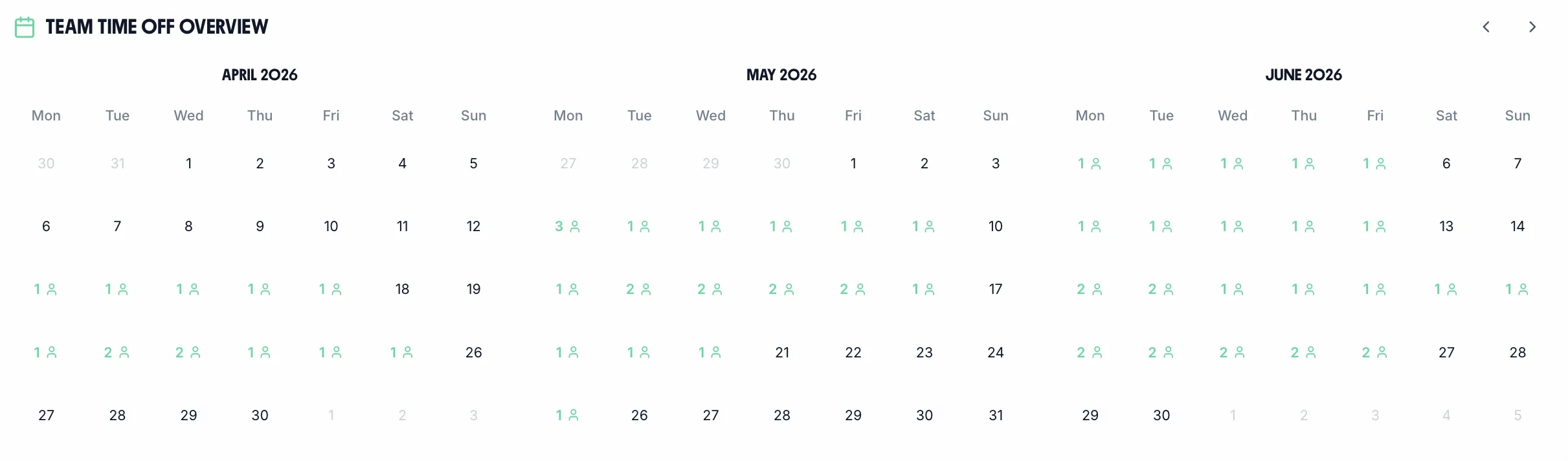
No phone calls chasing managers at 8am. Employees log a sick day directly in the app. The absence is recorded, the manager is notified, and the calendar updates immediately.
Hours worked, overtime, and pay are calculated automatically based on the actual time your employees log. No manual adjustments, no spreadsheet errors.
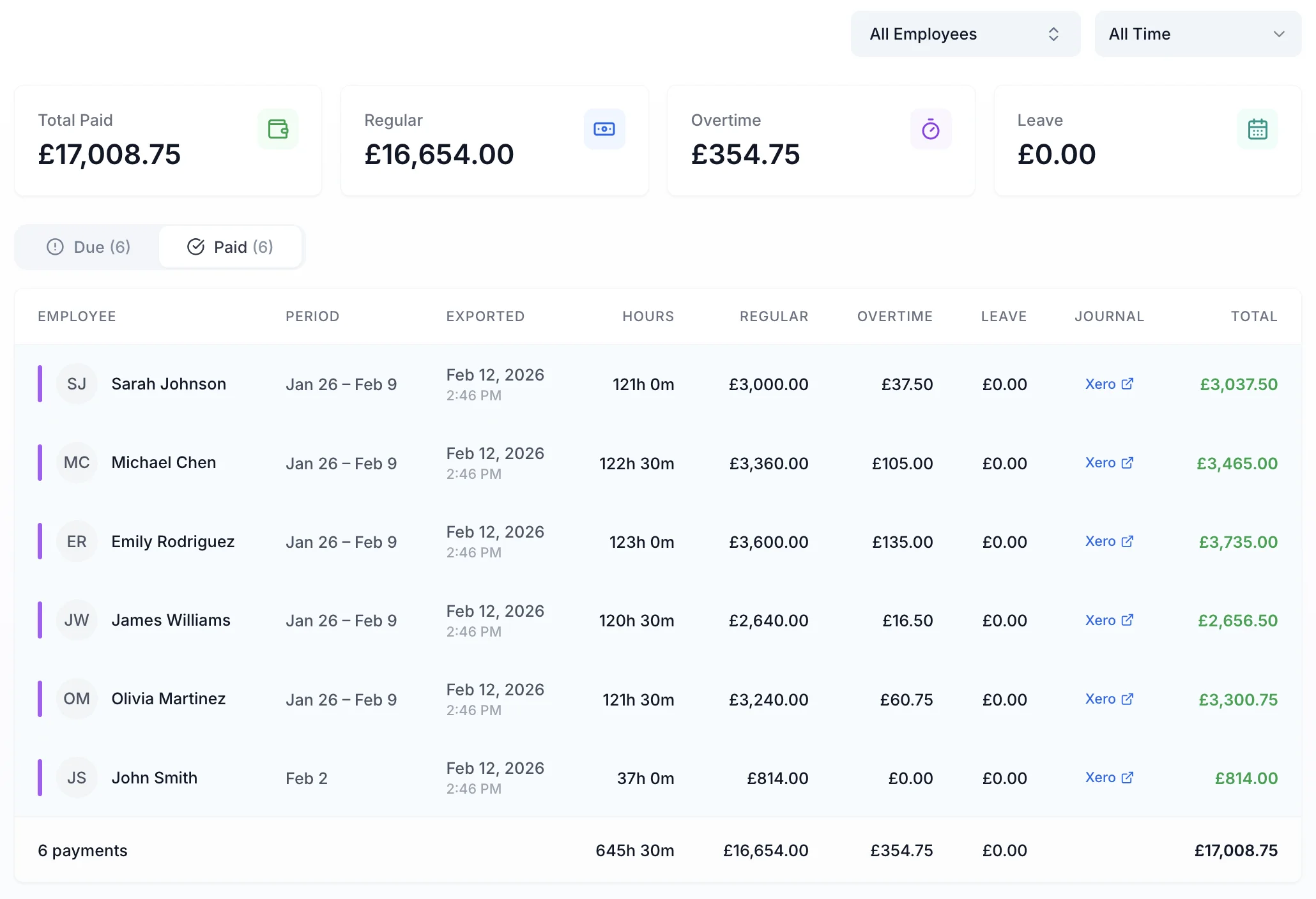
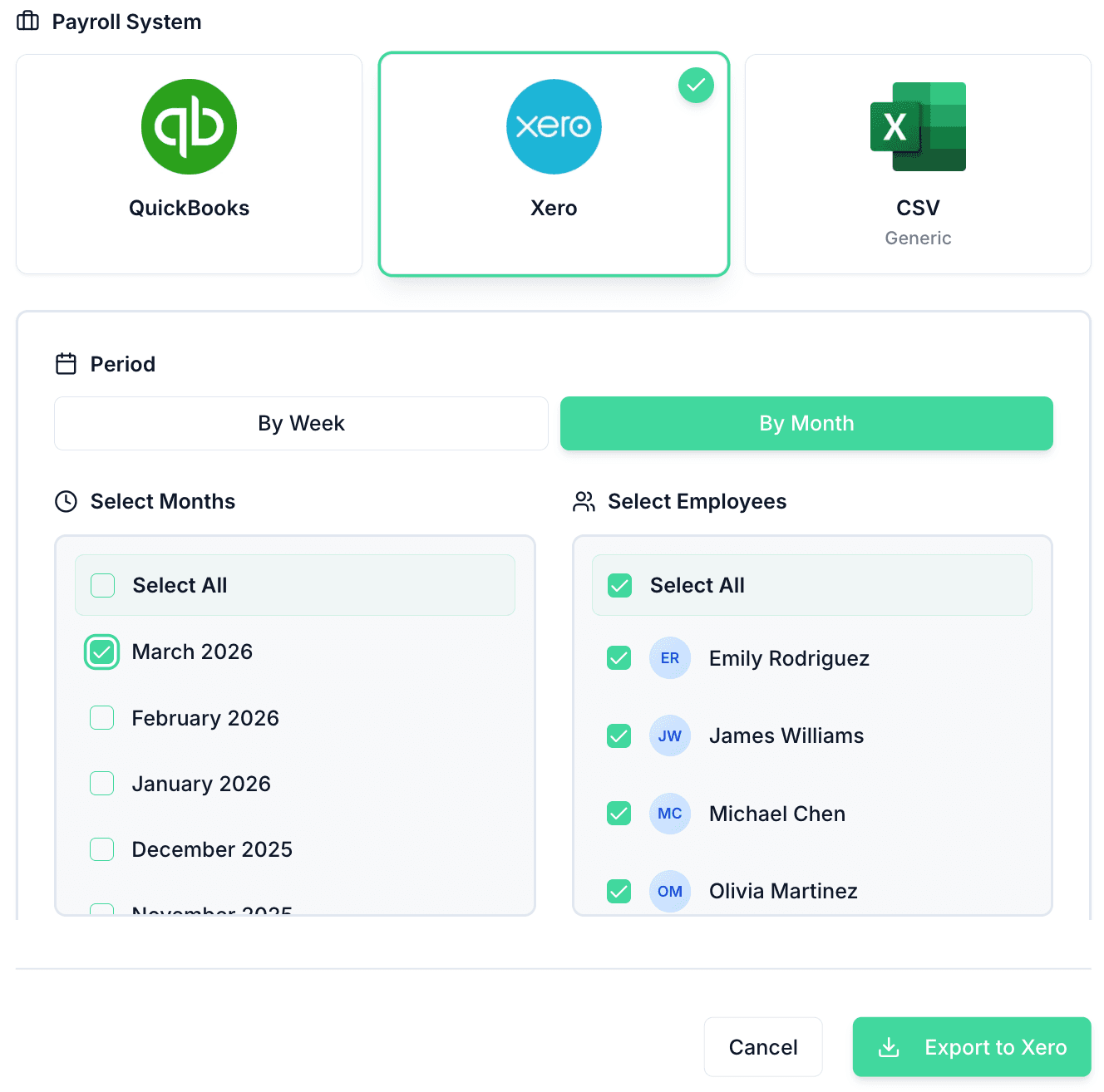
Once sick leave is recorded and pay is adjusted, export directly to Xero, QuickBooks, or CSV. No manual recalculations, no payroll errors caused by missed absence records.
This free policy template handles your SSP procedures. TimeTally handles your timesheets, holiday tracking, and attendance records — giving you the accurate data you need to manage absence properly.
No credit card required • £3/employee/month after trial
Clock in/clock out tracking gives you a clear record of hours worked. When sickness absence occurs, you have reliable data to refer back to.
Track statutory holiday entitlements with automatic calculations. Manage annual leave alongside your sick leave policy so nothing falls through the cracks.
Export timesheet data to Xero, QuickBooks, or CSV. Accurate hours records make it straightforward to process SSP alongside normal pay through your payroll provider.
“TimeTally has been excellent for our business. The app is simple to use, reliable, and makes managing holidays, absences, and staff records straightforward. The system has saved us a significant amount of administration time and gives both managers and employees clear visibility of leave balances and requests. Highly recommended for any business looking for an easy-to-use workforce management solution.”
 Jordan Ingoe, CLI Manchester
To qualify for SSP, an employee must be classed as an employee with a contract of service, have done some work under their contract, earn at least £123 per week on average (the Lower Earnings Limit for 2025/26), and have been ill for at least 4 days in a row (including non-working days). Agency workers and some employees on short-term contracts may also qualify depending on their circumstances.
The SSP rate for the 2025/26 tax year is £118.75 per week. SSP is paid for qualifying days only (usually your normal working days), so the daily rate depends on how many qualifying days you work each week. For a 5-day week, the daily rate is £23.75. HMRC updates rates each April.
Waiting days are the first 3 qualifying days of a period of sickness. SSP is not payable during these days. If an employee has multiple periods of sickness separated by 8 weeks or fewer, they are linked and the waiting days only apply once. After the waiting days, SSP is payable from the 4th qualifying day.
For the first 7 calendar days of sickness (including non-working days), employees can self-certify by filling in a form when they return to work. From day 8 onwards, they need a fit note (previously called a sick note) from a doctor, nurse, pharmacist, physiotherapist, or occupational therapist. Employers should keep copies of all fit notes for their records.
SSP is the legal minimum employers must pay to eligible employees. Many employers choose to offer a more generous company (or occupational) sick pay scheme on top of SSP. Company sick pay terms are set out in the employment contract and can vary. If a company scheme pays at least as much as SSP, the employer does not need to pay SSP separately. Employers can offset SSP against company sick pay.
SSP is payable for up to 28 weeks in a single period of sickness or linked periods. After 28 weeks, the employee may be able to claim Employment and Support Allowance (ESA) or Universal Credit from the Department for Work and Pensions. Employers must issue a form SSP1 to the employee at least 4 weeks before SSP runs out.
Employers must keep records of SSP payments and dates of sickness absence for at least 3 years after the end of the tax year they relate to. While HMRC no longer requires employers to keep specific SSP records in a set format, accurate records of absence dates, payments made, and any fit notes received are essential for compliance and in case of any disputes or HMRC queries.
An employer can only refuse SSP if the employee does not meet the eligibility criteria — for example, if they earn below the Lower Earnings Limit, have not been sick for at least 4 days in a row, or have already received 28 weeks of SSP. If an employer believes they are not liable, they must issue a form SSP1 explaining why, so the employee can claim alternative benefits.
Still have a question? See all FAQs
More guides for managing absence and compliance in the UK
Still have a question? See all FAQs →