Calculate minimum wage pay for any worker category using the latest 2026 NMW rates. Instantly see weekly and annual pay — and check whether your rates are compliant.
Tap any card for the detail.
14-day free trial · No credit card needed
This calculator gives you the numbers. TimeTally tracks hours, approvals, and pay automatically — so you never need to calculate it manually again. From £3/employee/month.
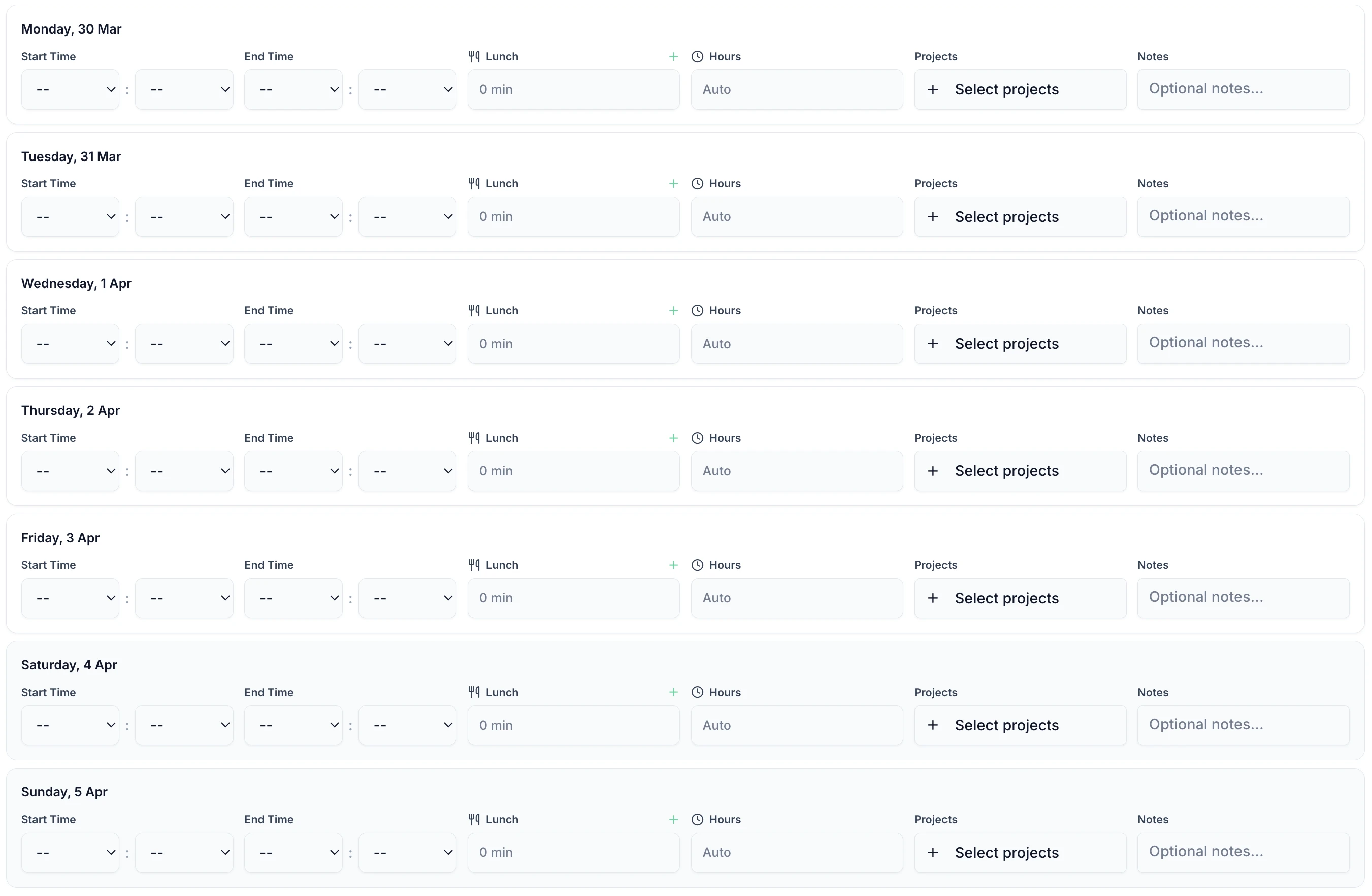
Staff submit timesheets via the iOS app or web. Clock in/out is tracked automatically. Hours are recorded accurately — no paper forms, no chasing.
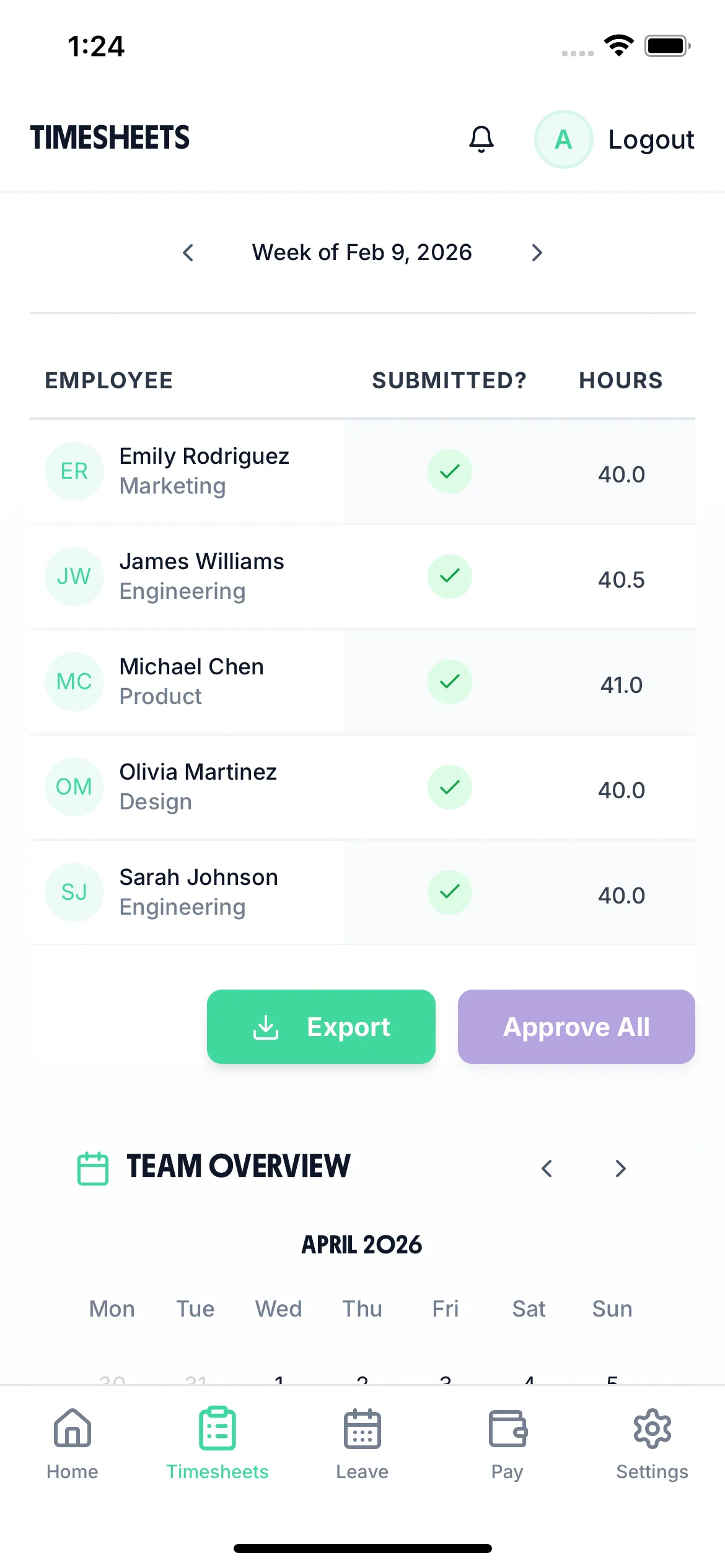
All pending timesheets land in your dashboard. Approve or query with a single tap. Every decision is timestamped — full audit trail for every timesheet.
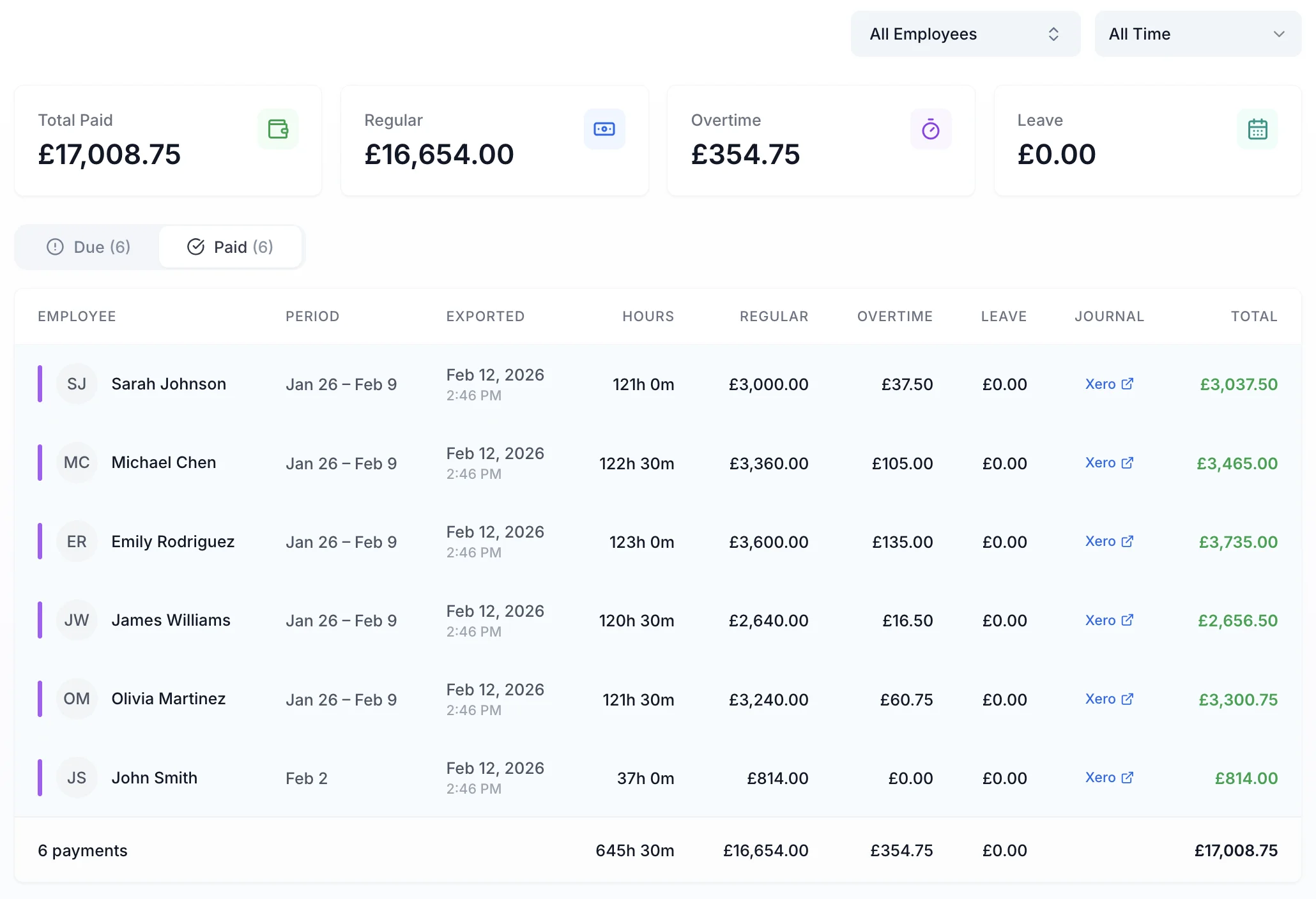
Pay is calculated directly from approved timesheets. Minimum wage compliance checked automatically. No manual adjustments, no errors.
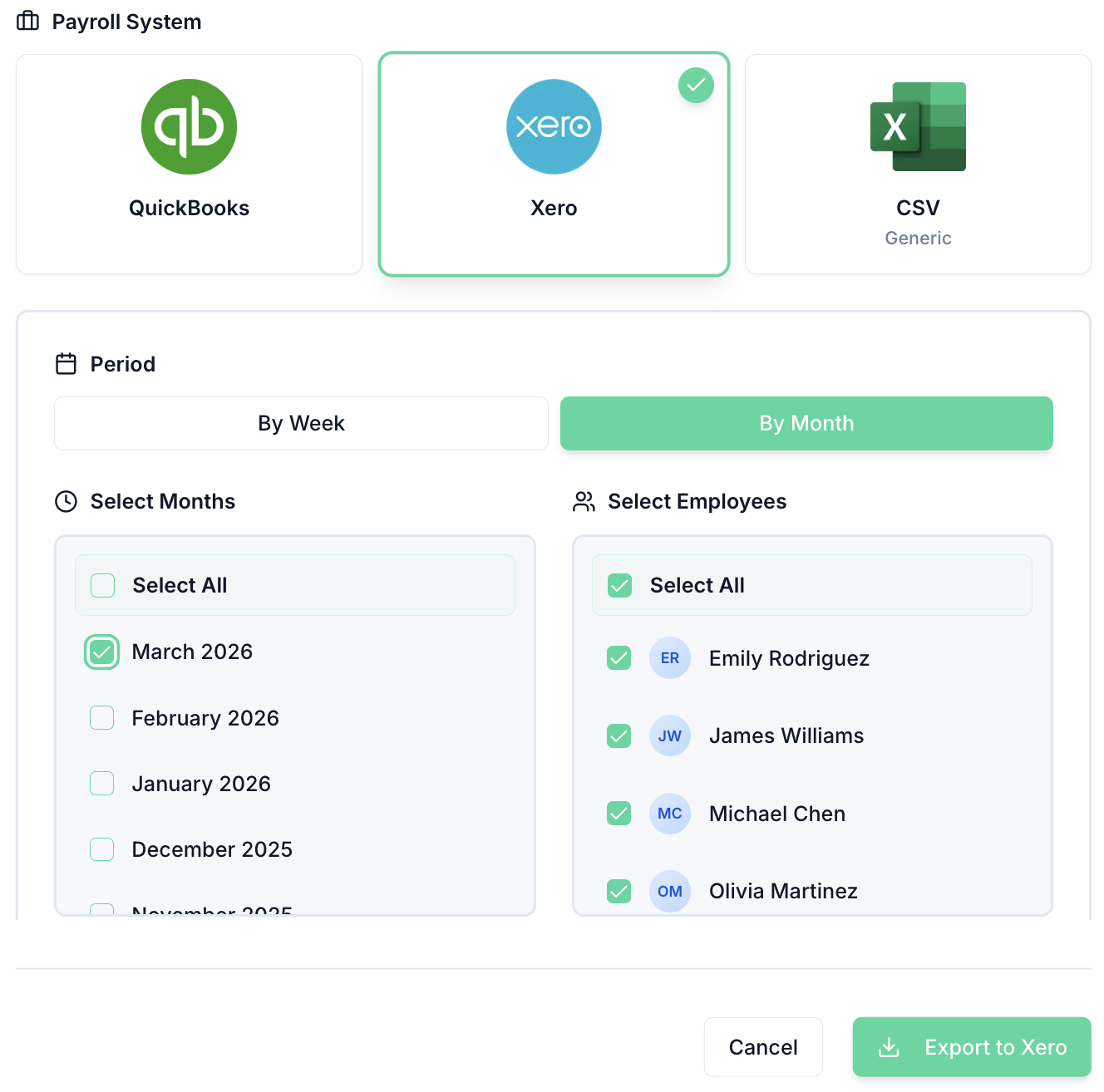
Approved timesheets feed directly into your payroll export. Direct integration with Xero and QuickBooks — no manual data entry, no missed hours.
TimeTally automatically tracks hours, calculates pay, and keeps you minimum wage compliant for your entire team. Explore all features or see how it works.
Automatic calculations
Overtime rates and minimum wage compliance calculated automatically from approved timesheets. Regular and overtime hours tracked separately — no spreadsheets needed.
One-tap approvals
Managers approve or reject timesheets from any device, with a full audit trail of every decision timestamped and stored automatically.
Payroll-ready exports
Approved hours feed directly into Xero, QuickBooks, or CSV exports — so your payroll run is always accurate and on time.
NMW underpayment is the most common HMRC employer enforcement action. Here's every rule that affects your payroll.
The National Living Wage (NLW) is the mandatory minimum for workers aged 21 and over. The National Minimum Wage (NMW) covers younger workers in age bands: 18–20, 16–17, and apprentices. Both are set by the government following Low Pay Commission recommendations and increase each April. There is no legal requirement to pay the 'Real Living Wage' — a higher voluntary rate set by the Living Wage Foundation based on cost of living — but many employers adopt it as a commitment to pay equity. Only the statutory NLW/NMW rates carry legal force.
NMW compliance is assessed across total working time in a pay reference period — not just contracted hours. 'Working time' includes: time spent travelling between assignments (but not commuting); mandatory training; time at the employer's disposal even if not actively working; and on-call time at the workplace. Unpaid breaks during which the worker must remain on the premises or on call also count. Employers who calculate NMW compliance based only on contracted hours, while requiring workers to arrive early, stay late, or attend mandatory briefings, are frequently non-compliant.
Certain deductions reduce 'pay' for NMW purposes and can cause a breach where none was otherwise present. Deductions for: uniforms required by the employer; equipment purchased by the worker for the job; accommodation above the offset rate (£9.99/day in 2024/25); and salary sacrifice arrangements can all reduce effective hourly pay below the NMW. Voluntary deductions (e.g. additional pension contributions above auto-enrolment minimum) may also reduce NMW pay depending on the scheme structure. HMRC calculates compliance after deductions.
Salaried workers are often assumed to be NMW-compliant because their salary exceeds the annual equivalent. However, if a salaried worker's total actual hours in a pay period — including unpaid overtime, early starts, or required out-of-hours availability — push their effective hourly rate below the NMW, the employer is in breach. This 'salaried hours work' category requires employers to track actual hours worked against the salary paid, particularly for roles where demand is seasonal or where culture encourages unpaid overtime.
Apprentices are entitled to a specific NMW rate (£6.40/hour in 2024/25) if they are either under 19, or aged 19 or over but in the first year of their apprenticeship. Once an apprentice turns 19 and completes their first year, they are entitled to the NMW rate for their age band. Employers who continue paying the apprentice rate beyond this point are in breach. The transition is not automatic — payroll must track apprentice ages and anniversary dates to ensure the correct rate is applied from the correct pay period.
HMRC's National Minimum Wage compliance team investigates complaints from workers, referrals from other agencies, and conducts proactive sector-wide campaigns. On investigation, HMRC can demand payroll records, time sheets, and employment contracts going back 6 years. If a breach is found, HMRC issues a Notice of Underpayment requiring the employer to repay all underpaid wages plus a financial penalty of 200% of the underpayment (up to £20,000 per worker), with a 50% discount if paid within 14 days. Arrears are calculated at current NMW rates, not the rate at the time of the breach.
The government publicly names employers found to have underpaid NMW, publishing details of the breach on a dedicated register. Since 2013, thousands of employers have been named, including household brands. The reputational damage from appearing on the register often exceeds the financial penalty — particularly for consumer-facing businesses. Being named does not prevent future HMRC investigation; it may in fact increase scrutiny. Voluntary self-correction before a complaint is received can, in some circumstances, avoid public naming.
Zero-hours and variable-hours workers present particular NMW compliance challenges because pay and hours both fluctuate. NMW compliance must be checked in every pay reference period — a worker who is above NMW in most weeks may fall below it in a particularly busy week where hours spike. Rolled-up holiday pay arrangements must ensure the total hourly rate (base pay plus rolled-up element) remains above NMW at all times. Payroll systems that calculate NMW compliance per period — rather than as an annual average — significantly reduce the risk of inadvertent breaches.
Swipe to see more →
“TimeTally has been excellent for our business. The app is simple to use, reliable, and makes managing staff records straightforward. The system has saved us a significant amount of administration time. Highly recommended for any business looking for an easy-to-use workforce management solution.”
 Jordan Ingoe, CLI Manchester
Everything you need to know about minimum wage in the UK. For related topics, try our hourly rate calculator or overtime pay calculator.
Still have a question? See all FAQs →
Convert salary to hourly rate for compliance checks
Calculate 1.5x and 2x overtime rates
Track and calculate weekly working hours
Track employee hours and pay automatically
Calculate annual leave for full-time and part-time workers
Calculate SSP entitlement for employees
Hours are recorded as they happen and costed against each person's rate, so an underpayment shows up on the timesheet, not in an HMRC letter.