Free Absence Cost Calculator

Free Absence Cost Calculator UK

Calculate the true cost of employee absence for your business. Includes direct salary cost and indirect productivity impact, benchmarked against the UK average of 6.5 days per employee.

Free to use
No sign-up required
CIPD benchmark included
5.0 · Used by hundreds of UK businesses

TimeTally does this for you

Tap a card to read the detail.

Start your free trial

14-day free trial · No credit card needed

Stop guessing the cost of absence — track it automatically

This calculator shows you what absence is costing. TimeTally tracks every absence, flags patterns, and gives you the data to reduce it. From £3/employee/month.

Every absence tracked automatically

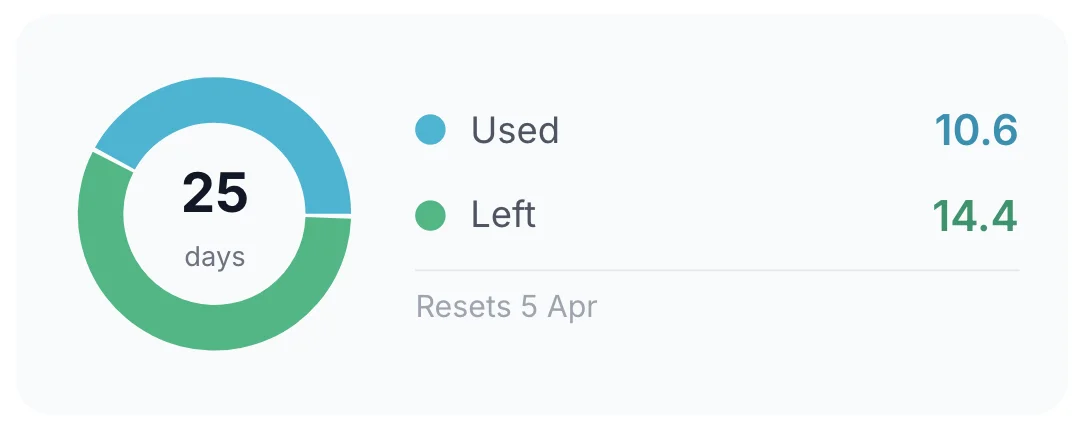
TimeTally records every absence — sick leave, unauthorised, and lateness. Leave balances update in real time, giving you an accurate picture of absence patterns across your team.
  • All absence types tracked
  • Real-time leave balances
  • Bradford Factor scores
  • Pattern analysis
TimeTally leave balance showing employee absence tracking

See absence patterns across your whole team

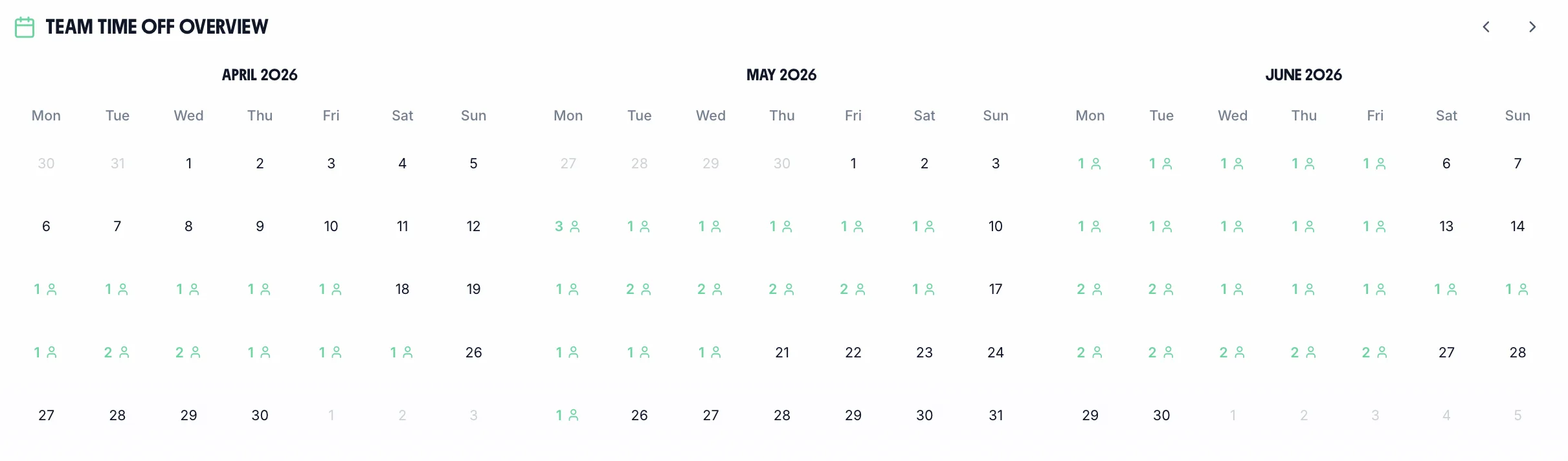
The team calendar shows all absences in one view — so you can spot patterns like Monday/Friday absences, recurring sick days, and who's consistently off.
Full team calendar
Colour-coded types
Filter by employee
Absence trends
TimeTally team absence calendar showing all employee leave

Manage absence from your phone

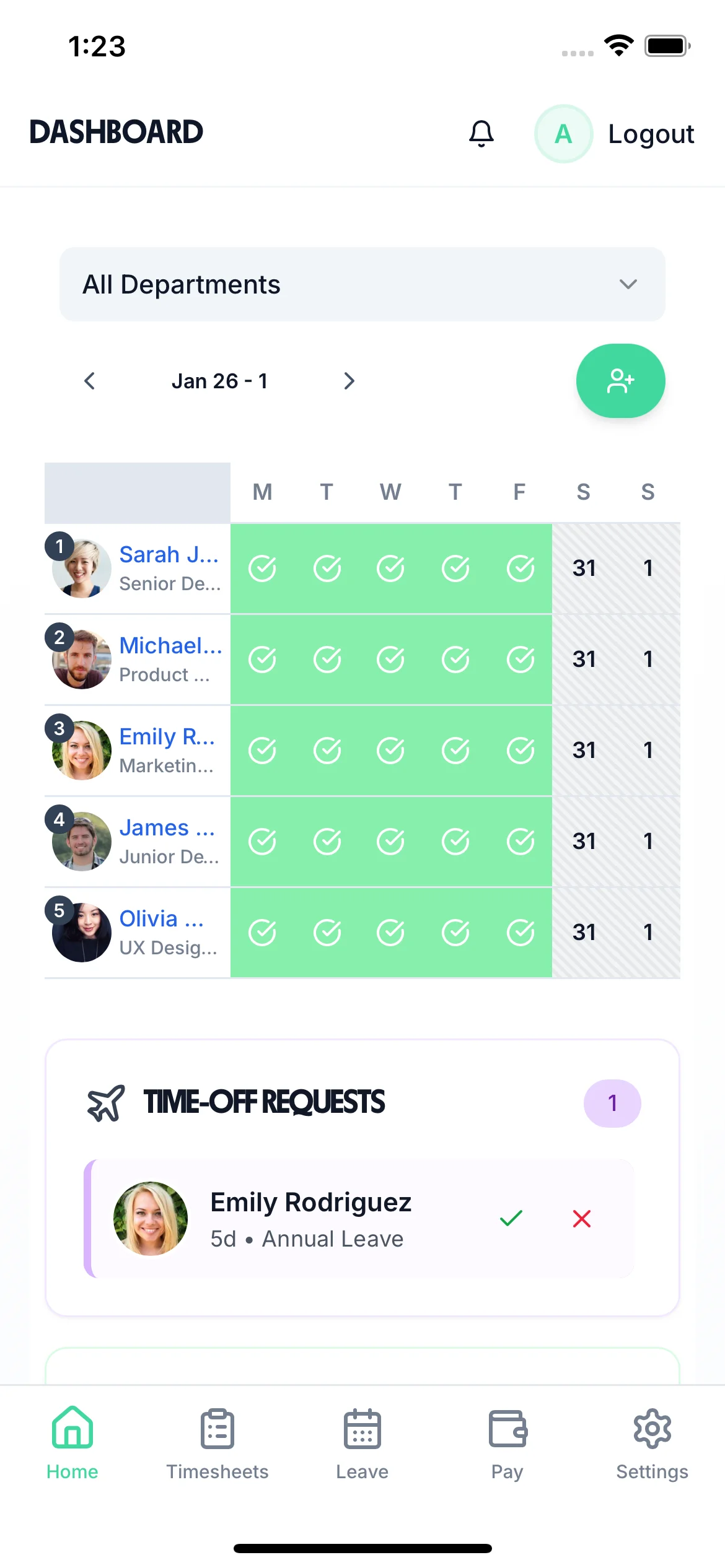
Get an email the moment an employee reports sick in the app. Log the absence, see their Bradford Factor score, and plan cover — all from the TimeTally mobile app.

  • Instant absence notifications
  • One-tap log absence
  • Bradford Factor score
  • Return-to-work process
TimeTally mobile employer dashboard for absence management

Report on absence costs over time

The employer calendar gives you a monthly and annual view of all absence. Export reports for HR reviews, management meetings, or board presentations.

Monthly reports
Annual trends
Cost per team
CSV export
TimeTally desktop employer calendar showing absence overview
Meet TimeTally

Stop doing this manually
for every employee

TimeTally tracks every absence, calculates Bradford Factor scores, and gives you the reporting you need to understand and reduce the cost of absence. Explore all features or see how it works.

Automatic absence tracking

Every absence is recorded with the date, type, and duration. Bradford Factor scores update automatically — no spreadsheets required.

Instant absence alerts

Get an email the moment an employee reports sick in the app. Log the absence and arrange cover before the workday starts.

Absence trend reporting

Monthly and annual absence reports give you the data to identify patterns and take action before absence becomes a business risk.

See what we offer

No credit card required · Set up in minutes · Cancel anytime

“TimeTally has been excellent for our business. The app is simple to use, reliable, and makes managing holidays, absences, and staff records straightforward. The system has saved us a significant amount of administration time and gives both managers and employees clear visibility of leave balances and requests. Highly recommended for any business looking for an easy-to-use workforce management solution.”

CLI ManchesterJordan Ingoe, CLI Manchester

Absence Cost Calculator FAQ

Everything you need to know about calculating the cost of employee absence.

How do you calculate the cost of employee absence?
The direct cost is calculated as: number of employees × average absence days × (annual salary ÷ 260 working days). This gives the direct salary cost — the amount paid to absent employees. To estimate the total cost including lost productivity, multiply the direct cost by 1.5 to 2.0 (the CIPD recommends 1.5× as a conservative indirect multiplier).
What is the UK average absence rate?
According to the CIPD's Health and Wellbeing at Work survey, the average UK employee takes 6.5 days off sick per year. This varies significantly by sector — public sector workers average around 8 days, while private sector workers average around 5.6 days. Manual workers typically have higher absence rates than office workers.
What is the indirect cost of absence?
The indirect cost covers productivity losses beyond the direct salary cost. When an employee is absent, their colleagues may cover their work (often less efficiently), managers spend time arranging cover, quality may suffer, and customers may be impacted. The CIPD estimates indirect costs are typically 1.5–2× the direct salary cost. Our calculator uses 1.5× as a conservative estimate.
What is a good absence rate for a UK business?
The UK average is 6.5 days per employee per year. Absence rates below 4 days are considered excellent; 4–6 days is good; 6–8 days is average; above 8 days is above average and may warrant closer attention. High-absence sectors like healthcare, education, and social care naturally run higher than average.
What is the Bradford Factor and how does it relate to absence cost?
The Bradford Factor is a formula (B = S² × D, where S is the number of separate absence spells and D is total days absent) that weights frequent short absences more heavily than a single long absence. It's useful for identifying disruptive absence patterns. Employees with high Bradford Factor scores tend to have a disproportionate impact on absence cost because their absence is harder to plan for.
How does TimeTally help reduce absence costs?
TimeTally tracks every absence automatically, calculates Bradford Factor scores, and surfaces patterns that might otherwise go unnoticed. Managers get an email as soon as someone reports sick in the app, reducing the time spent arranging cover. Each person's absence history is kept in one place for the return-to-work interview, which ACAS research shows is one of the most effective ways to reduce absence.

Related tools

See absence as it happens, not at year end

Every sick day, late start and unauthorised absence is recorded once, with reports that show the pattern before it becomes the cost.