Free Template

Return to Work Form UK

Free printable return-to-work interview form for UK employers. ACAS-aligned, includes interviewer question prompts — download and use immediately.

Free to use
No sign-up required
ACAS guidance aligned
5.0 · Used by hundreds of UK businesses

Track every absence — before and after the interview

This form gives you the record of the interview. TimeTally gives you the full picture — every absence logged, Bradford Factor scores calculated, and patterns flagged automatically. From £3/employee/month.

Automatic absence logging for every employee

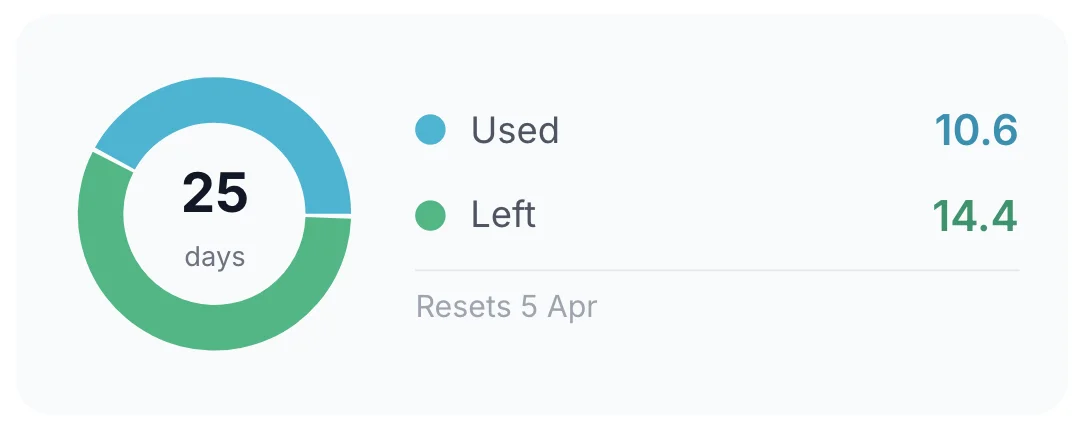
TimeTally records every absence automatically — sick leave, unauthorised, and lateness. Leave balances update in real time so you always have an accurate picture before the return-to-work interview.
All absence types
Real-time balances
Absence patterns
Bradford Factor
TimeTally leave balance showing employee absence tracking

See absence patterns across your whole team

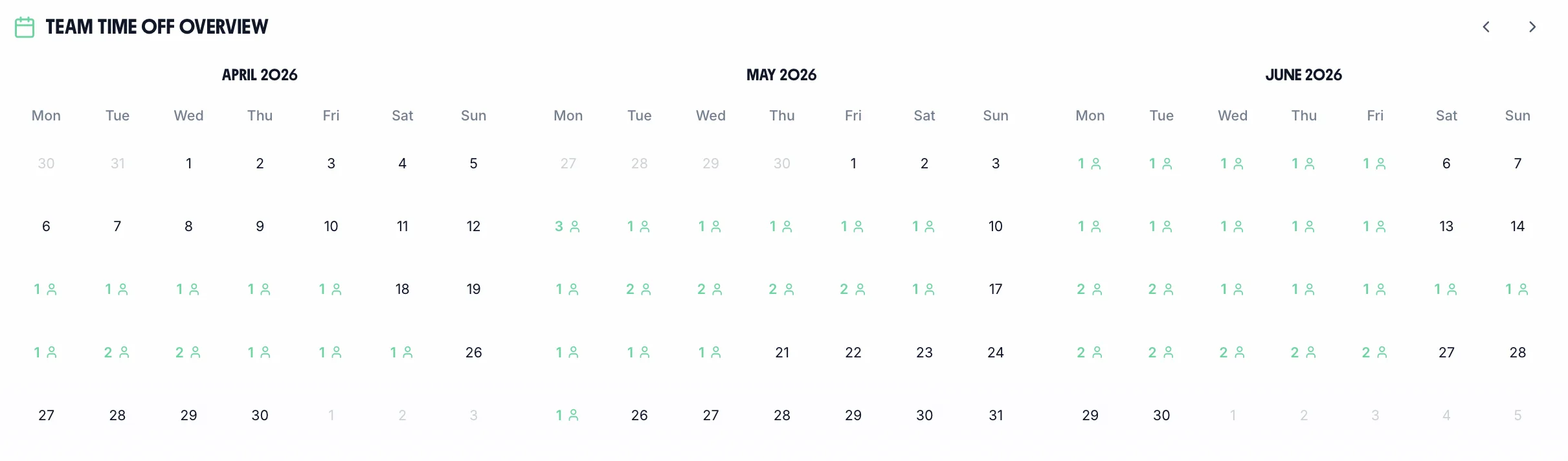
The team calendar shows all absences in one view — so you can spot patterns like Monday/Friday absences, recurring sick days, and which employees have high Bradford Factor scores before the interview.
  • Full team absence calendar
  • Colour-coded by absence type
  • Filter by employee or period
  • Absence trends over time
TimeTally team absence calendar showing all employee leave

Manage absence from your phone

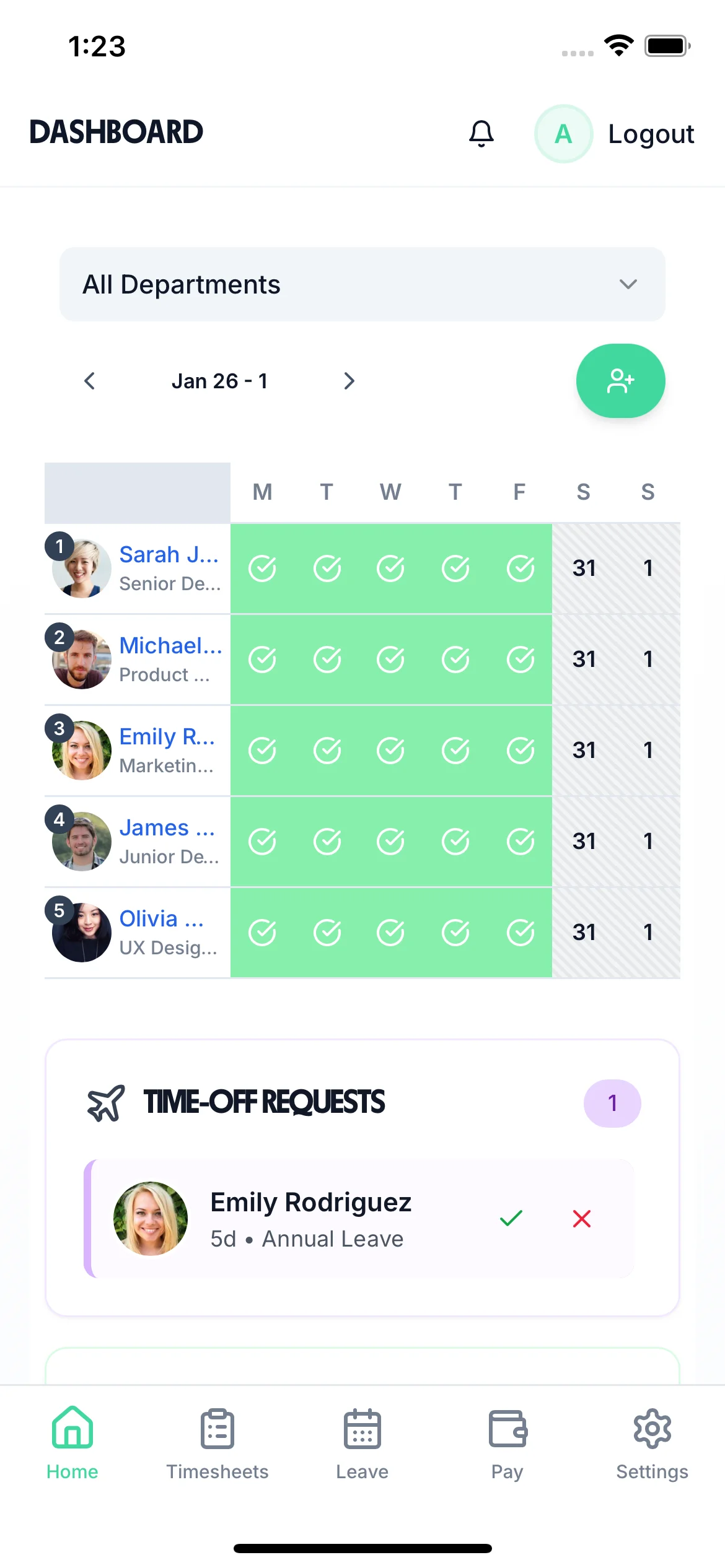
Get an email the moment an employee reports sick in the app. Log the absence, check their Bradford Factor score, plan cover — all from the TimeTally mobile app before you even get to the office.
Instant notifications
One-tap log absence
Bradford Factor
SSP tracking
TimeTally mobile employer dashboard for absence management

Full absence audit trail

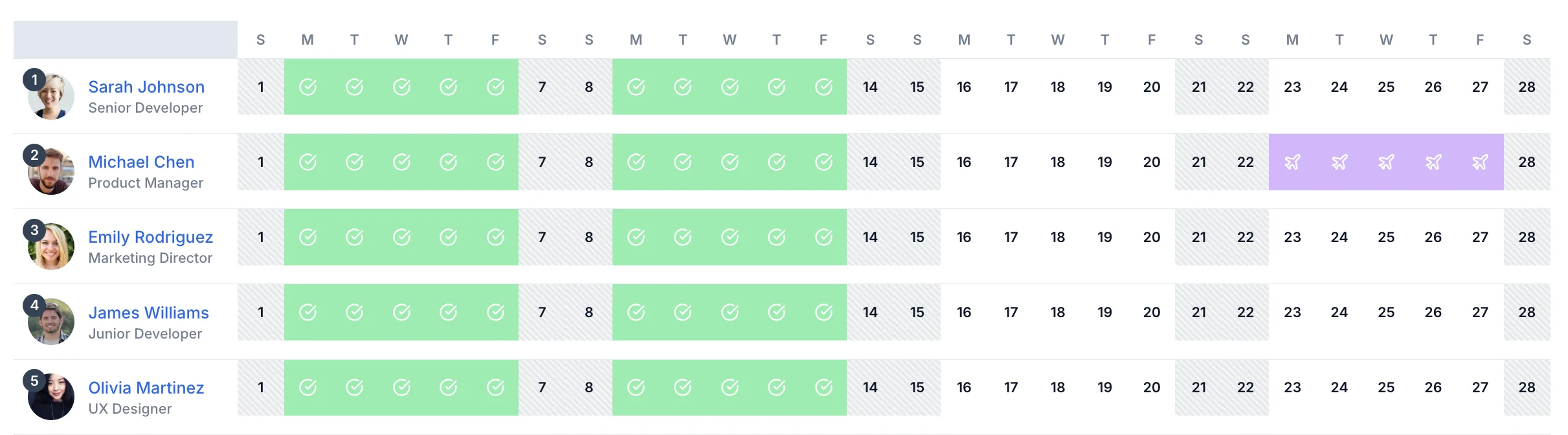
The employer calendar gives you a complete view of every absence — monthly, annually, or per employee. Export for HR reviews and use as evidence if formal action is needed later.
  • Monthly and annual absence reports
  • Exportable for HR reviews
  • Timestamped records for each absence
  • SSP calculation built in
TimeTally desktop employer calendar showing absence overview
Meet TimeTally

From return to work to
full absence oversight

TimeTally tracks every absence, calculates Bradford Factor scores, and gives you the reporting you need to identify patterns and take action early. Explore all features or see how it works.

Automatic absence tracking

Every absence is recorded with date, type, and duration. Bradford Factor scores update automatically — no spreadsheets or manual entry.

Instant absence alerts

Get an email the moment an employee reports sick in the app. Log the absence and plan cover before the workday starts.

SSP calculation built in

Statutory Sick Pay is calculated automatically for each absence period. No more manual SSP calculations or spreadsheets.

See what we offer

No credit card required · Set up in minutes · Cancel anytime

What Is a Return-to-Work Interview?

A return-to-work interview is a short, informal meeting between a manager and an employee on their first day back after a period of sickness absence. It is one of the most effective tools for managing absence — ACAS research consistently shows that conducting return-to-work interviews reduces absence rates by around 20–30%.

The interview serves several purposes:

  • Welcoming the employee back and checking they are fit to return
  • Understanding the reason for absence and whether any underlying issues need addressing
  • Identifying whether any workplace adjustments are needed
  • Updating the employee on anything they missed
  • Creating a written record that can be used if formal disciplinary action becomes necessary later

ACAS Guidance on Return-to-Work Interviews

While return-to-work interviews are not a legal requirement, ACAS strongly recommends them as part of a comprehensive absence management policy. ACAS guidance states that employers should:

  • Conduct the interview on the first day back, not at the end of the week
  • Keep the interview informal and supportive in tone — it is not a disciplinary meeting
  • Avoid suggesting the employee was not genuinely ill
  • Ask open questions rather than leading ones
  • Document the outcome and keep it on file

For employees with high Bradford Factor scores or persistent short-term absence, return-to-work interviews are particularly valuable as they create a contemporaneous written record.

Return to Work Interview Form Template

Print or copy this form to complete during the return-to-work interview. Keep a signed copy on the employee's personnel file.

RETURN TO WORK INTERVIEW FORM [Company Name] ───────────────────────────────────────── EMPLOYEE DETAILS Employee name: ________________________________ Job title: ________________________________ Department: ________________________________ Line manager: ________________________________ Date of interview: ________________________________ First day back: ________________________________ ───────────────────────────────────────── ABSENCE DETAILS Absence start date: ________________________________ Absence end date: ________________________________ Total days absent: ________________________________ Reason for absence: ________________________________ ________________________________ Was a self-certification form / fit note provided? ☐ Yes ☐ No ☐ Pending Did the absence relate to a workplace injury or incident? ☐ Yes (please complete an incident report) ☐ No ───────────────────────────────────────── INTERVIEW QUESTIONS Please use these prompts to guide the conversation. Record a brief summary of the employee's responses. 1. Welcome back. How are you feeling — are you fully recovered and fit to return to work? Notes: _________________________________________ _________________________________________ 2. Can you tell me a little more about what happened during your absence? Notes: _________________________________________ _________________________________________ 3. Is there anything at work that may have contributed to your absence, or that we should be aware of? Notes: _________________________________________ _________________________________________ 4. Do you need any adjustments to your role, hours, or working environment to support your return? Notes: _________________________________________ _________________________________________ 5. Is there anything else you would like to raise? Notes: _________________________________________ _________________________________________ ───────────────────────────────────────── OUTCOME AND AGREED ACTIONS ☐ Employee confirmed fit to return with no adjustments required ☐ Temporary adjustments agreed (see below) ☐ Referral to occupational health recommended ☐ Other (see notes below) Agreed actions / adjustments: ___________________________________________________ ___________________________________________________ ___________________________________________________ Review date (if adjustments in place): ______________ ───────────────────────────────────────── SIGNATURES I confirm that the above is an accurate record of our discussion today. Employee signature: ________________________ Date: _______ Manager signature: ________________________ Date: _______ ───────────────────────────────────────── Copy to: Employee | Personnel file | HR (if applicable)

Interviewer Question Prompts

Use these additional prompts if the conversation needs more depth:

  • For recurring short-term absence: "I notice this is the [X]th absence in [Y] months — is there anything we can do to help prevent further absence?"
  • For stress or mental health: "You mentioned you were feeling stressed — can you tell me more about what's been happening? Is there anything at work that we can address?"
  • Where disability may be relevant: "We want to make sure you're fully supported. Have you had any medical advice about adjustments that might help at work?"
  • For long-term absence returns: "It's been a while — would a phased return over the first week be helpful, or are you happy to come back to your full hours from today?"

For employees returning after a long-term absence related to a chronic condition, consider whether a referral to occupational health is appropriate. Occupational health advice can inform reasonable adjustments under the Equality Act 2010.

Managing Statutory Sick Pay

Return-to-work interviews are also a good opportunity to confirm Statutory Sick Pay (SSP) entitlement has been correctly recorded. Use our SSP calculator to check the amount payable, and ensure the absence is correctly logged in your sick leave tracker.

“TimeTally has been excellent for our business. The app is simple to use, reliable, and makes managing holidays, absences, and staff records straightforward. The system has saved us a significant amount of administration time and gives both managers and employees clear visibility of leave balances and requests. Highly recommended for any business looking for an easy-to-use workforce management solution.”

CLI ManchesterJordan Ingoe, CLI Manchester

Return to Work Form FAQ

Common questions about return-to-work interviews and UK absence management.

Are return-to-work interviews a legal requirement?
No, there is no legal obligation to conduct return-to-work interviews in the UK. However, ACAS strongly recommends them as one of the most effective absence management tools. Research shows they can reduce absence rates by 20–30%, and the written record they create is valuable if formal disciplinary action later becomes necessary.
When should the interview be conducted?
ACAS recommends conducting the interview on the employee's first day back, not at the end of the week. Leaving it until later removes much of its deterrent value and delays the opportunity to identify and address any underlying issues.
Does a return-to-work interview have to be formal?
No — and it should not be. The interview should be conducted in a supportive, conversational tone. It is not a disciplinary meeting and should not be treated as one. The aim is to welcome the employee back, check they are fit, and identify any support they might need. A formal or confrontational approach can undermine trust and make employees reluctant to disclose health concerns.
What if the employee refuses to attend a return-to-work interview?
While there is no legal right to refuse a return-to-work interview (as long as it is conducted appropriately), you cannot force an employee to attend. If an employee refuses, note this on file and explore the reason — it may indicate an underlying issue that needs addressing. Persistently refusing reasonable management requests can itself be a disciplinary matter, but this should be treated with care.
Can a return-to-work interview be used in disciplinary proceedings?
The signed record from a return-to-work interview can form part of the evidence base for an absence-related disciplinary. However, the interview itself should not be presented to the employee as a precursor to formal action — doing so could undermine the supportive purpose of the meeting and expose the employer to a grievance claim.
How does the Bradford Factor relate to return-to-work interviews?
The Bradford Factor is a formula (B = S² × D) that weights frequent short absences more heavily than a single long absence. Many employers use Bradford Factor trigger points (e.g., a score above 200) as a prompt to escalate their absence management response. Return-to-work interviews are typically the first stage of that escalation. TimeTally calculates Bradford Factor scores automatically as each absence is logged.

Related tools