Free Template

Disciplinary Letter Template UK

Free first and final written warning letter templates for UK employers. ACAS Code of Practice compliant — download, customise, and use immediately.

Free to use
No sign-up required
ACAS Code compliant
5.0 · Used by hundreds of UK businesses

TimeTally does this for you

Tap a card to read the detail.

Start your free trial

14-day free trial · No credit card needed

Most disciplinary action starts with absence

These templates give you the letters. TimeTally tracks every absence, calculates Bradford Factor scores, and flags patterns early — so you have the data before you need these forms. From £3/employee/month.

Every absence tracked automatically

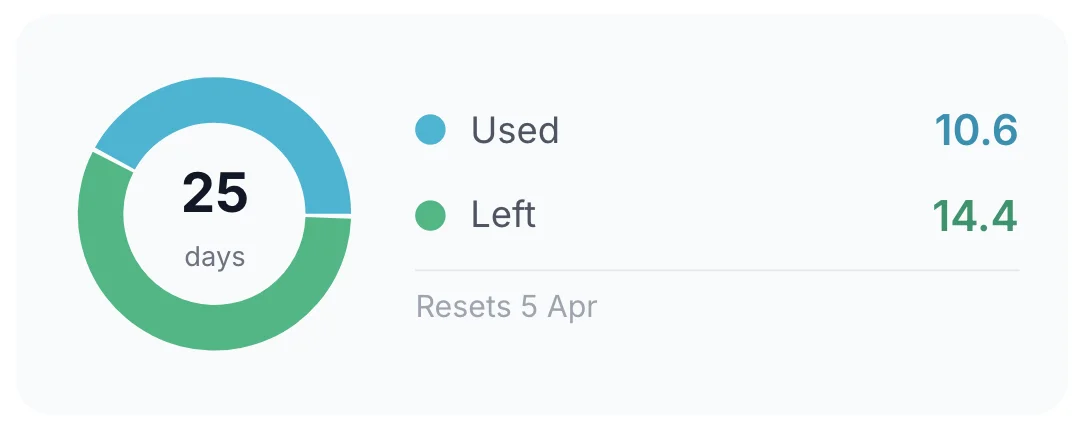
TimeTally records every absence — sick leave, unauthorised, and lateness. Leave balances update in real time, giving you an accurate absence history when you need it most.
All absence types
Real-time balances
Pattern analysis
Bradford Factor
TimeTally leave balance showing employee absence tracking

Spot absence patterns before they escalate

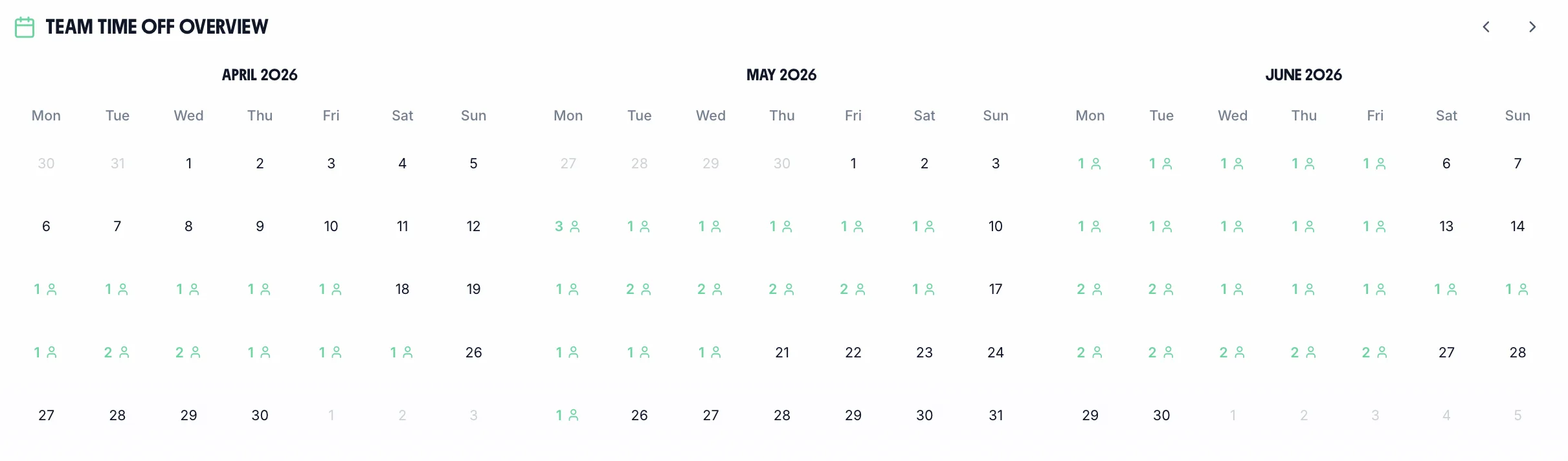
The team calendar shows all absences in one view — so you can identify Monday/Friday patterns, repeated sick days, and employees whose absence warrants a conversation before formal action.
  • Full team absence calendar
  • Colour-coded by absence type
  • Filter by employee or period
  • Absence trends over time
TimeTally team absence calendar showing all employee leave

Bradford Factor scores calculated automatically

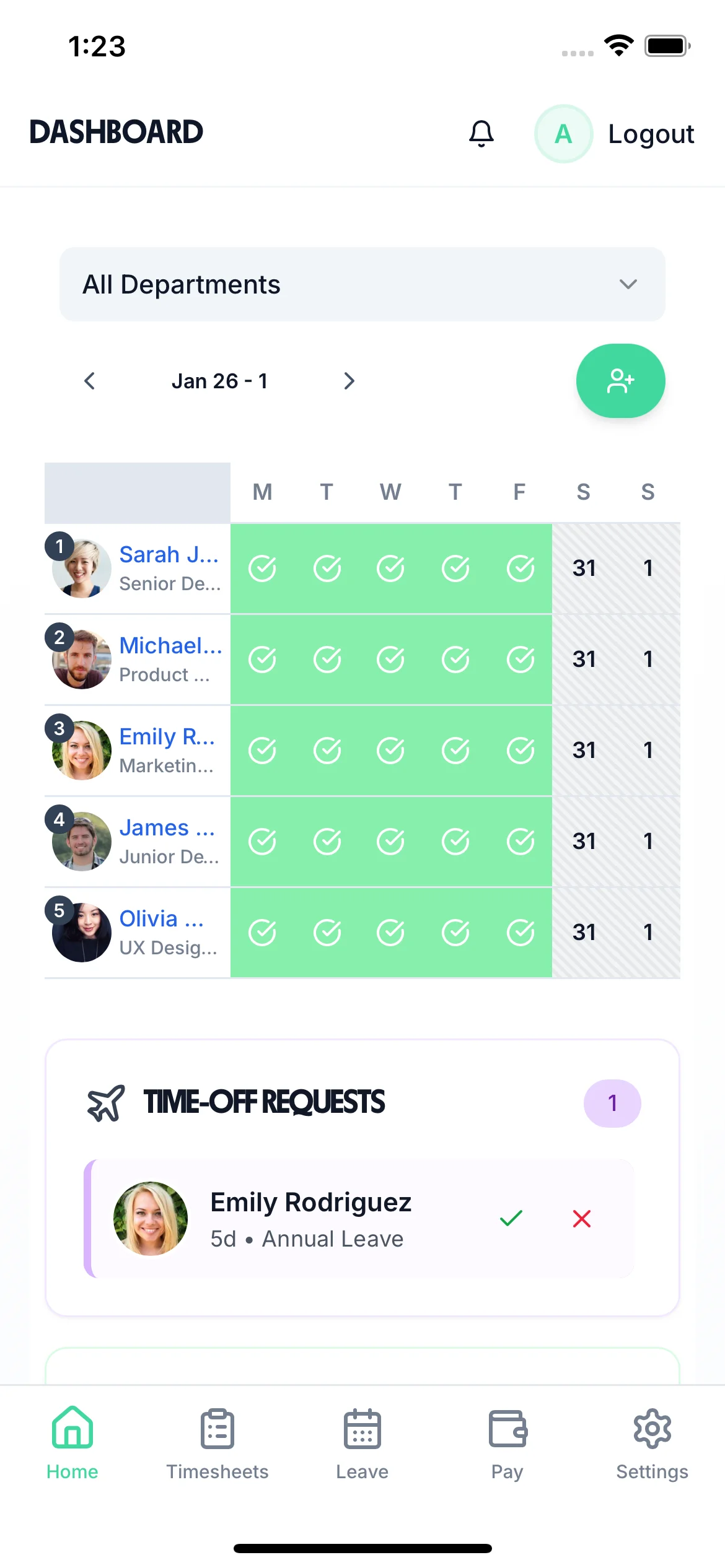
Get an email the moment an employee reports sick in the app. Log the absence, see their Bradford Factor score update in real time, and manage the situation before it requires formal action.
Instant notifications
One-tap log absence
Bradford Factor
Return to work
TimeTally mobile employer dashboard for absence management

Full audit trail for every absence

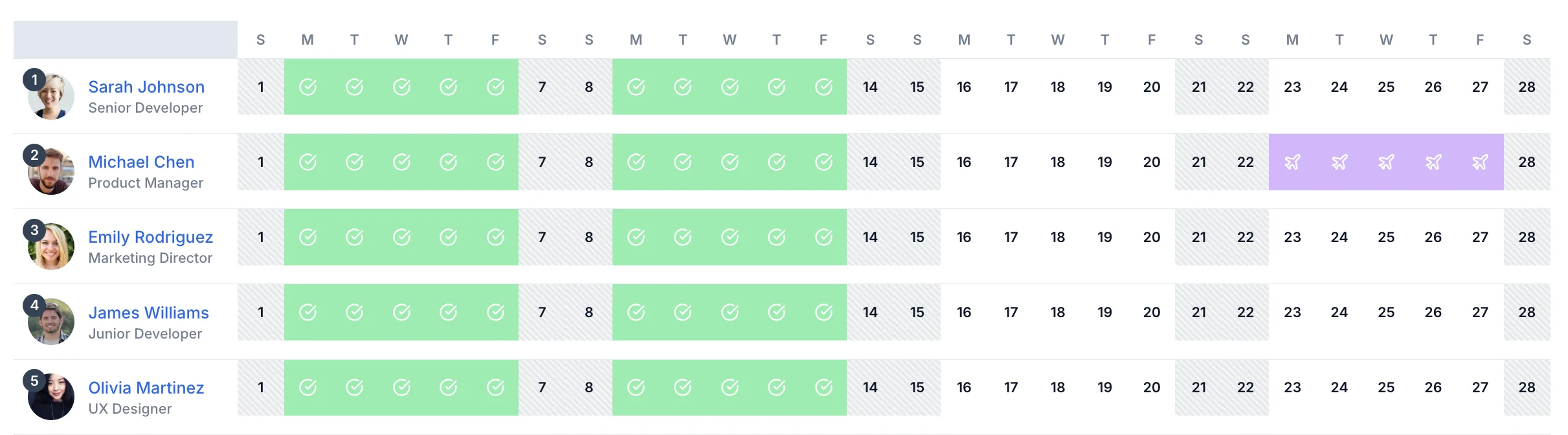
The employer calendar gives you a complete, timestamped record of every absence — exactly the kind of evidence you need if a disciplinary situation reaches tribunal level.
  • Monthly and annual absence reports
  • Exportable for HR reviews
  • Timestamped records for each absence
  • Consistent evidence base for disciplinaries
TimeTally desktop employer calendar showing absence overview
Meet TimeTally

Catch absence issues before
they become disciplinaries

TimeTally tracks every absence, calculates Bradford Factor scores automatically, and surfaces patterns early — giving you the data to have the right conversations before formal action is needed. Explore all features or see how it works.

Automatic absence tracking

Every absence is recorded with date, type, and duration. Bradford Factor scores update automatically — no spreadsheets required.

Instant absence alerts

Get an email the moment an employee reports sick in the app. Log the absence and arrange cover before the workday starts.

Audit-ready records

Every absence is timestamped and exportable. If a disciplinary situation escalates, you have a complete, consistent evidence base.

See what we offer

No credit card required · Set up in minutes · Cancel anytime

UK Disciplinary Law: What You Need to Know

Before issuing any written warning, employers must follow a fair disciplinary process. Failure to do so can result in tribunal claims — even where the underlying conduct genuinely warranted disciplinary action.

The key legal frameworks are:

  • Employment Rights Act 1996 — requires fair procedures for dismissal
  • ACAS Code of Practice on Disciplinary and Grievance Procedures — not legally binding, but tribunals take it into account; failure to follow it can increase any compensation award by up to 25%
  • Equality Act 2010 — disciplinary action must not be discriminatory

The ACAS Code sets out the minimum steps a fair disciplinary procedure should follow:

  1. Establish the facts through a reasonable investigation
  2. Notify the employee in writing of the allegations
  3. Hold a disciplinary meeting (the employee has the right to be accompanied)
  4. Issue a decision in writing
  5. Allow the employee the right to appeal

When to use a written warning

Written warnings are appropriate for misconduct or poor performance after a fair investigation and disciplinary hearing. They should not be issued as a first response to a single minor incident. Many employers use a verbal warning as a first step before proceeding to written warnings.

What Must a Written Warning Include?

A written warning should include:

  • The nature of the misconduct or performance issue
  • The improvement required, with a timeframe
  • The consequences of failing to improve (i.e., the next stage of the procedure)
  • How long the warning will remain on the employee's record
  • The employee's right to appeal, and the deadline and process for doing so

Template 1: First Written Warning Letter

Use this template after a disciplinary hearing where the decision is to issue a first written warning.

[Company Name] [Company Address] [Date] PRIVATE AND CONFIDENTIAL [Employee Name] [Employee Address or Delivered by Hand] Dear [Employee Name], FIRST WRITTEN WARNING Further to the disciplinary hearing held on [date], I am writing to confirm the outcome. NATURE OF THE ISSUE The hearing concerned the following matter(s): [Describe the conduct or performance issue clearly. For example: "Your attendance record over the past three months, during which you have been absent on [X] occasions totalling [Y] days."] YOUR RESPONSE At the hearing you [accepted / denied / partially accepted] the allegation(s). [Briefly summarise the employee's explanation, if any.] OUTCOME Having carefully considered all the information presented, we have decided to issue you with a FIRST WRITTEN WARNING. This warning will remain on your file for [12 months / 6 months] from the date of this letter, after which time, provided there is no further cause for concern, it will be disregarded for disciplinary purposes. IMPROVEMENT REQUIRED We require you to [describe the specific improvement required — e.g., "improve your attendance so that you have no further unauthorised absences", or "meet the performance targets set out in the attached document"]. We will review your [attendance / performance] at [date or agreed review point]. [Optionally: Support available to you includes [e.g., referral to occupational health, updated performance targets, additional training].] CONSEQUENCES Please be aware that if your [conduct / performance] does not improve to the required standard, or if there is any further breach of [Company Name]'s [conduct / attendance / performance] standards during or after this warning period, you may be subject to further disciplinary action up to and including dismissal. RIGHT OF APPEAL You have the right to appeal against this decision. If you wish to appeal, please write to [Name / HR Department] within [5] working days of receiving this letter, stating the grounds for your appeal. Yours sincerely, [Manager's Name] [Job Title] [Company Name] Copy to: Personnel file

Template 2: Final Written Warning Letter

Use this template where a first written warning has previously been issued and there has been further misconduct or insufficient improvement, or where the misconduct is serious enough to skip a first warning.

[Company Name] [Company Address] [Date] PRIVATE AND CONFIDENTIAL [Employee Name] [Employee Address or Delivered by Hand] Dear [Employee Name], FINAL WRITTEN WARNING Further to the disciplinary hearing held on [date], I am writing to confirm the outcome. BACKGROUND [If applicable: On [date], you received a first written warning regarding [brief description of the earlier matter]. That warning remains active.] NATURE OF THE CURRENT ISSUE The hearing concerned the following matter(s): [Describe the conduct or performance issue clearly. For example: "Despite the first written warning issued on [date], your attendance has not improved to the required standard. You have been absent on a further [X] occasions totalling [Y] days."] YOUR RESPONSE At the hearing you [accepted / denied / partially accepted] the allegation(s). [Briefly summarise the employee's explanation, if any.] OUTCOME Having carefully considered all the information presented, we have decided to issue you with a FINAL WRITTEN WARNING. This is the final stage of [Company Name]'s disciplinary procedure before dismissal. This warning will remain on your file for [12 months] from the date of this letter. IMPROVEMENT REQUIRED We require you to [describe the specific improvement required]. We will review your [attendance / performance] at [date or agreed review point]. CONSEQUENCES You are now at the final stage of [Company Name]'s disciplinary procedure. If there is any further [misconduct / failure to meet the required standard of performance] during or after this warning period, you may be summarily dismissed without further warnings. RIGHT OF APPEAL You have the right to appeal against this decision. If you wish to appeal, please write to [Name / HR Department] within [5] working days of receiving this letter, stating the grounds for your appeal. Yours sincerely, [Manager's Name] [Job Title] [Company Name] Copy to: Personnel file

How to Use These Templates

Copy the relevant template and replace everything in square brackets with the specific details for this case:

  • Replace [Employee Name], [date], and [Manager's Name] with actual names and dates
  • Describe the misconduct or performance issue as precisely as possible — vague descriptions make appeals harder to defend
  • Set a realistic and specific improvement target — "better attendance" is harder to measure than "no further unauthorised absences for 6 months"
  • Set the appeal deadline (typically 5 working days from receipt of the letter)
  • Choose the warning duration — 12 months is standard for a final written warning; 6 months is common for a first written warning

Always have the letter reviewed by a qualified employment solicitor or HR professional before sending, particularly for complex cases involving discrimination allegations, long-serving employees, or where dismissal is a realistic outcome.

Absence-Related Disciplinaries

The most common reason for disciplinary action in UK workplaces is persistent short-term absence. A Bradford Factor score is a useful tool for identifying employees whose absence pattern is particularly disruptive. Before issuing a written warning for absence, employers should:

  • Review the employee's absence record in full
  • Check whether the absences relate to a disability (which may require reasonable adjustments rather than disciplinary action)
  • Conduct a return-to-work interview after each absence (see our return-to-work form template)
  • Consider whether any underlying causes can be addressed (workload, working conditions, health support)

See our guide on unauthorised absence UK for more detail on how to handle employees who fail to follow the sickness notification procedure.

“TimeTally has been excellent for our business. The app is simple to use, reliable, and makes managing holidays, absences, and staff records straightforward. The system has saved us a significant amount of administration time and gives both managers and employees clear visibility of leave balances and requests. Highly recommended for any business looking for an easy-to-use workforce management solution.”

CLI ManchesterJordan Ingoe, CLI Manchester

Disciplinary Letter FAQ

Common questions about UK written warnings and disciplinary procedures.

Do I have to follow the ACAS Code of Practice?
The ACAS Code of Practice on Disciplinary and Grievance Procedures is not legally binding, but employment tribunals take it into account when deciding cases. If you fail to follow it without good reason, a tribunal can increase any compensation awarded by up to 25%. In practice, following the Code is the clearest way to demonstrate that your process was fair.
Can I skip a first written warning and go straight to a final warning?
Yes, in some circumstances. If the misconduct is sufficiently serious — for example, aggressive behaviour towards a colleague, significant dishonesty, or a major breach of health and safety — you may be justified in issuing a final written warning (or even dismissal) at the first stage. However, you must still carry out a reasonable investigation and hold a disciplinary hearing first.
How long does a written warning stay on file?
There is no statutory requirement, but the ACAS Code recommends that warnings are disregarded after a reasonable period if conduct improves. In practice, first written warnings are commonly kept for 6–12 months and final written warnings for 12 months. After that period, you should not rely on an expired warning when considering further disciplinary action.
Does the employee have the right to be accompanied at a disciplinary meeting?
Yes. Under Section 10 of the Employment Relations Act 1999, workers have a statutory right to be accompanied by a trade union representative or a fellow worker at any disciplinary or grievance hearing. You must inform the employee of this right before the meeting.
What if the employee refuses to sign the warning letter?
An employee's signature is not required for a written warning to be valid. If the employee refuses to sign, note on the file that they declined to sign and that the letter was issued on a specific date. You may also ask a witness to countersign confirming the letter was handed over.
Can I issue a written warning for poor attendance?
Yes, provided you have followed a fair process — conducted return-to-work interviews, investigated whether any absences relate to a disability, and given the employee an opportunity to explain. You should also check whether a Bradford Factor trigger point has been reached and whether your absence management policy permits issuing a warning at that stage.

Related tools